Extrait de Parfum
Extrait de parfum is perfume at its most concentrated: more oil, less alcohol, a slower evolution and a scent that stays close for hours. Ours are woody, resinous and made for the evening.
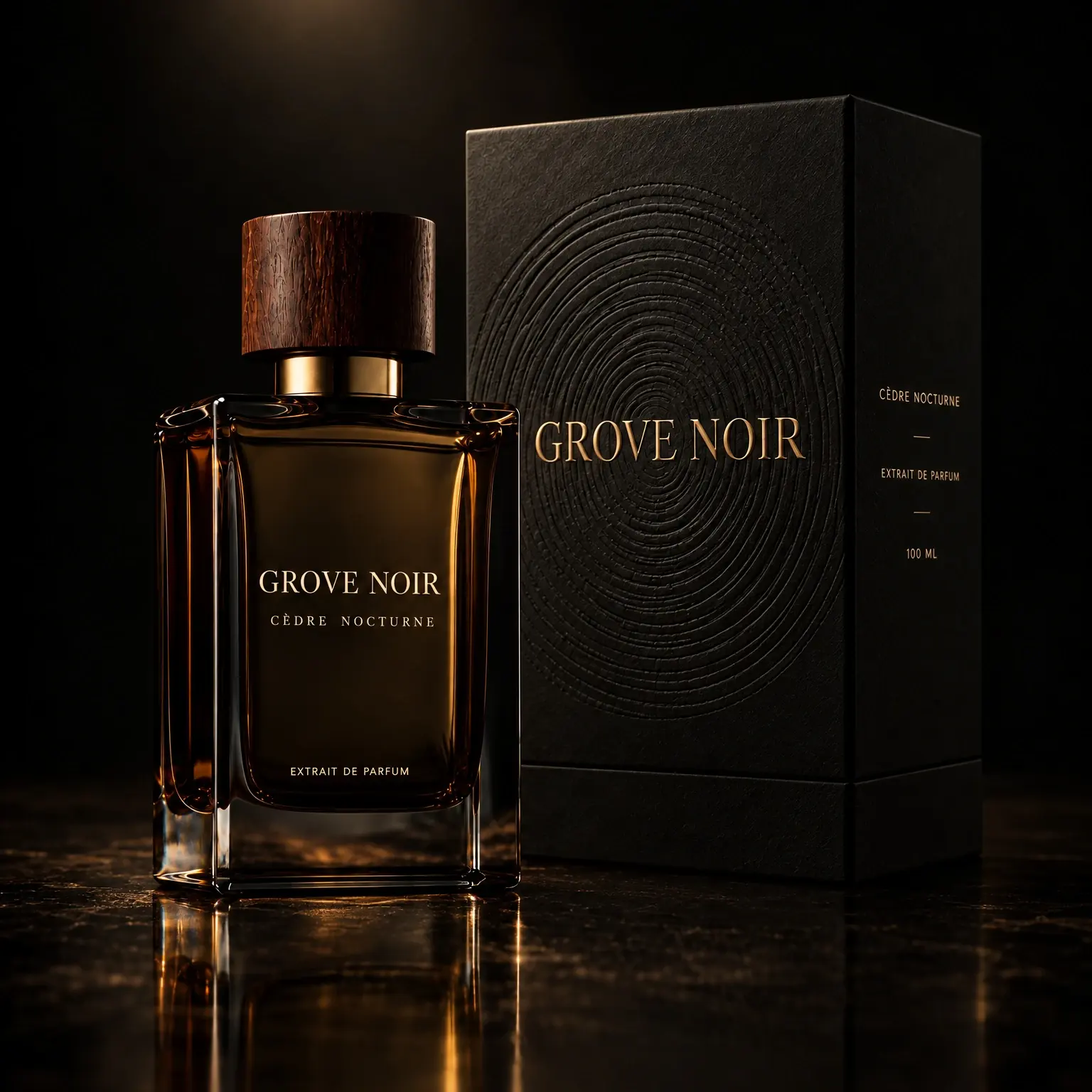
What makes an extrait de parfum different
Fragrances are classed by how much perfume oil they contain. Eau de toilette sits around 5–15%, eau de parfum around 15–20%, and extrait de parfum (sometimes sold as parfum or pure perfume) usually 20–40%. The rest is mostly alcohol, which carries the scent off the skin as it evaporates.
Less alcohol changes how a fragrance behaves. An extrait opens more softly, evolves more slowly and keeps a tighter, more intimate trail. It is the format to choose when you want a scent that lasts through an evening without announcing itself across the room.
Why our extraits are woody
Woods and resins (cedar, sandalwood, vetiver, amber) are among the most tenacious materials in perfumery. In extrait concentration they form a long, smooth drydown that stays close to the skin for hours. Cèdre Nocturne pairs dry Atlas cedar with creamy sandalwood, the contrast at the heart of the house.
New to extraits? Start with our guide to EDT, EDP, parfum and extrait.
Extrait de parfum, explained
What is extrait de parfum?
Extrait de parfum (also called pure parfum or perfume extract) is the most concentrated fragrance format, typically 20–40% perfume oil versus 15–20% for eau de parfum. It lasts longer and sits closer to the skin.
How long does extrait de parfum last?
Usually 8 to 12+ hours on skin, depending on the composition, your skin and the climate. Woody, resinous bases sit at the long end.
Is extrait stronger than eau de parfum?
It is more concentrated and longer-lasting, but not louder. Extraits project less and wear more intimately. See our guide to perfume concentrations.
How should I apply an extrait?
Two to three sprays on warm skin (neck and chest) after moisturising. Don't rub; let it dry down naturally.